Fuel prices spike: RON97 +70 sen, Diesel RM4.72
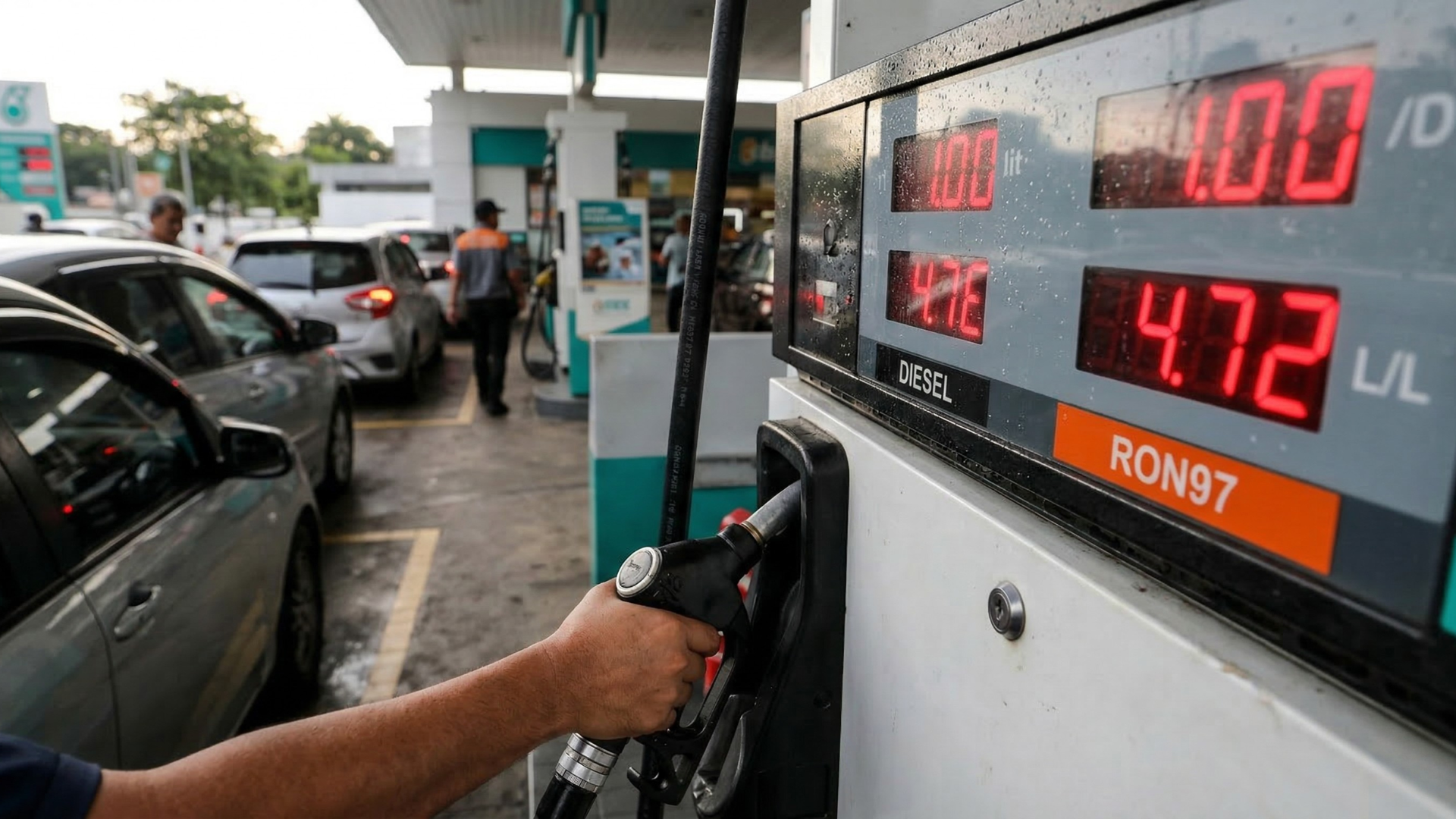
Fuel prices in Malaysia have taken another sharp turn upward, sending shockwaves through households, businesses, and the broader economy. The latest revision sees RON97 petrol increase by a significant 70 sen, while diesel prices climb to a striking RM4.72 per litre. This surge is closely tied to escalating geopolitical tensions, particularly the intensifying conflict between the United States and Iran, which has once again disrupted global oil markets.
The ripple effects of these developments are already being felt across Malaysia, where consumers are grappling with higher transportation costs and businesses are reassessing operational expenses. This article explores the root causes behind the spike, its implications for Malaysians, and what the future may hold.
Understanding the Sudden Surge in Fuel Prices
The recent increase in fuel prices did not occur in isolation. It is the result of a complex interplay of global supply disruptions, geopolitical risks, and market speculation.
At the heart of the issue is the renewed tension between the United States and Iran. The Middle East remains one of the world’s most critical oil-producing regions, and any instability there can significantly impact global supply chains. When conflict escalates, markets react swiftly, often driving crude oil prices higher due to fears of supply shortages.
Malaysia, like many countries, is not immune to these global shifts. Although the country produces oil, it still relies on international pricing benchmarks to determine domestic fuel prices. As crude oil prices climb, the cost is inevitably passed down to consumers.
The 70 sen increase in RON97 is particularly notable because it reflects a rapid adjustment rather than a gradual rise. Diesel reaching RM4.72 further underscores the severity of the situation, as diesel prices tend to have a more direct impact on logistics, transportation, and food supply chains.
Why the US-Iran Conflict Matters to Malaysian Consumers
For many Malaysians, the connection between distant geopolitical conflicts and local fuel prices may not be immediately obvious. However, the global oil market is deeply interconnected.
When tensions rise between major players like the United States and Iran, several things happen simultaneously. Oil supply routes, especially in strategic chokepoints like the Strait of Hormuz, become vulnerable. Even the possibility of disruption can trigger panic buying and speculative trading in oil markets.
This drives up crude oil prices globally, which in turn affects refined fuel products such as petrol and diesel. Since Malaysia’s fuel pricing mechanism is linked to international benchmarks, local prices inevitably follow suit.
In simpler terms, a conflict thousands of kilometres away can directly influence how much Malaysians pay at the pump.
The Impact on Everyday Malaysians
The immediate effect of rising fuel prices is felt in the cost of transportation. Whether it is daily commuting, ride-hailing services, or logistics, higher fuel costs translate into increased expenses.
For households, this means tighter budgets. Families who rely on private vehicles for work and school runs will notice a significant increase in weekly fuel spending. Over time, this can strain financial planning and reduce disposable income.
Businesses, particularly those in transportation and logistics, face even greater challenges. Delivery companies, food suppliers, and manufacturers depend heavily on diesel. With diesel prices reaching RM4.72, operational costs are rising sharply. These increases are often passed on to consumers in the form of higher prices for goods and services.
The broader economy also feels the pressure. Inflationary trends can accelerate as fuel costs feed into almost every sector, from agriculture to retail.
Government Measures and Subsidy Considerations
The Malaysian government has historically played an active role in managing fuel prices through subsidies and pricing mechanisms. However, maintaining subsidies during periods of high global oil prices can be financially challenging.
There is ongoing debate about whether subsidies should be expanded, reduced, or targeted more effectively. While subsidies can provide immediate relief to consumers, they also place a significant burden on national finances.
Targeted subsidies, which focus on lower-income groups, may offer a more sustainable solution. However, implementing such measures requires careful planning and robust systems to ensure fairness and efficiency.
As fuel prices continue to rise, government policy decisions will play a crucial role in shaping the economic impact on Malaysians.
How Businesses Are Adapting to Rising Fuel Costs
Businesses across Malaysia are already adjusting their strategies to cope with higher fuel prices. Some companies are optimizing delivery routes to reduce fuel consumption, while others are investing in more fuel-efficient vehicles.
The logistics sector, in particular, is under pressure to maintain profitability while keeping prices competitive. Many businesses are exploring digital solutions and data-driven approaches to improve efficiency.
In the long term, rising fuel costs may accelerate the shift toward alternative energy sources and electric vehicles. While adoption remains gradual, the economic incentive to reduce reliance on fossil fuels is becoming increasingly compelling.
What This Means for Inflation and the Economy
Fuel prices are a key driver of inflation. When transportation costs rise, the price of goods and services often follows. This creates a cascading effect throughout the economy.
In Malaysia, sectors such as food production, retail, and manufacturing are particularly sensitive to fuel price changes. Higher diesel prices, for example, can increase the cost of transporting agricultural products, leading to higher food prices.
Inflation can erode purchasing power, making it more difficult for households to maintain their standard of living. It can also influence interest rates and monetary policy, as central banks may take action to control rising prices.
The current surge in fuel prices therefore has implications that extend far beyond the petrol station.
What Can Consumers Do to Cope
While consumers cannot control global oil prices, there are practical steps they can take to manage the impact of rising fuel costs.
Driving habits play a significant role in fuel consumption. Smooth acceleration, maintaining steady speeds, and avoiding unnecessary idling can improve fuel efficiency. Regular vehicle maintenance, such as proper tyre inflation and engine tuning, also helps reduce fuel usage.
Carpooling and using public transportation where possible can further lower expenses. For those considering a new vehicle, fuel efficiency should be a key factor in the decision-making process.
Small changes in behaviour can add up to meaningful savings over time.
The Outlook for Fuel Prices
Predicting fuel prices is inherently challenging due to the many variables involved. Geopolitical developments, global economic conditions, and supply-demand dynamics all play a role.
If tensions between the United States and Iran continue to escalate, oil prices may remain elevated or even increase further. Conversely, any diplomatic resolution or stabilization in the region could lead to a gradual easing of prices.
Technological advancements and shifts toward renewable energy may also influence long-term trends. However, in the short term, volatility is likely to persist.
For Malaysians, staying informed and prepared is essential in navigating this uncertain landscape.
Conclusion
The recent surge in fuel prices, with RON97 rising by 70 sen and diesel reaching RM4.72, highlights the far-reaching impact of global events on local economies. The ongoing US-Iran conflict has underscored the vulnerability of energy markets and the interconnected nature of the global economy.
For consumers and businesses alike, the challenge lies in adapting to higher costs while maintaining financial stability. Government policies, market dynamics, and individual choices will all play a role in shaping the outcome.
As the situation continues to evolve, one thing remains clear: fuel prices are more than just numbers at the pump—they are a reflection of global forces that affect everyday life in profound ways.
FAQ
1. Why did RON97 increase by 70 sen?
RON97 prices rose higher global crude oil prices driven by geopolitical tensions, particularly the US-Iran conflict, which disrupted supply expectations.
2. Why is diesel now RM4.72?
Diesel prices are heavily influenced by global oil markets. Increased demand and supply concerns have pushed prices to RM4.72, especially affecting logistics and transportation sectors.
3. Will fuel prices continue to rise?
Fuel prices may remain volatile depending on geopolitical developments and global oil supply. Continued conflict could push prices higher, while stability may ease them.
4. How do higher fuel prices affect inflation?
Higher fuel costs increase transportation expenses, which raises the price of goods and services, contributing to overall inflation.
5. Can the government control fuel prices?
The government can manage prices through subsidies and pricing mechanisms, but global market forces still play a major role.
6. What can I do to save on fuel?
Improving driving habits, maintaining your vehicle, carpooling, and using public transport can help reduce fuel expenses.
Take Control of Your Fuel Costs with Motorist Malaysia
Rising fuel prices don’t have to derail your finances. With Motorist Malaysia, you can stay ahead by optimizing your vehicle ownership experience. From smart tools that help you track fuel efficiency to services that ensure your car runs at peak performance, Motorist Malaysia is your trusted partner on the road.
Whether you are looking to reduce fuel consumption, manage car expenses, or make smarter decisions about your vehicle, Motorist Malaysia provides the insights and support you need.
Visit Motorist Malaysia today and take the first step toward smarter, more cost-efficient driving.
Read More: Malaysia revamps car loan calculations: what you need to know
I want to find the highest selling price for my car within 24 hours!
Download the Motorist App now. Designed by drivers for drivers, this all-in-one app lets you receive the latest traffic updates, gives you access to live traffic cameras, and helps you manage vehicle related matters.