The Motorist Guide to reading your car dashboard like a pro
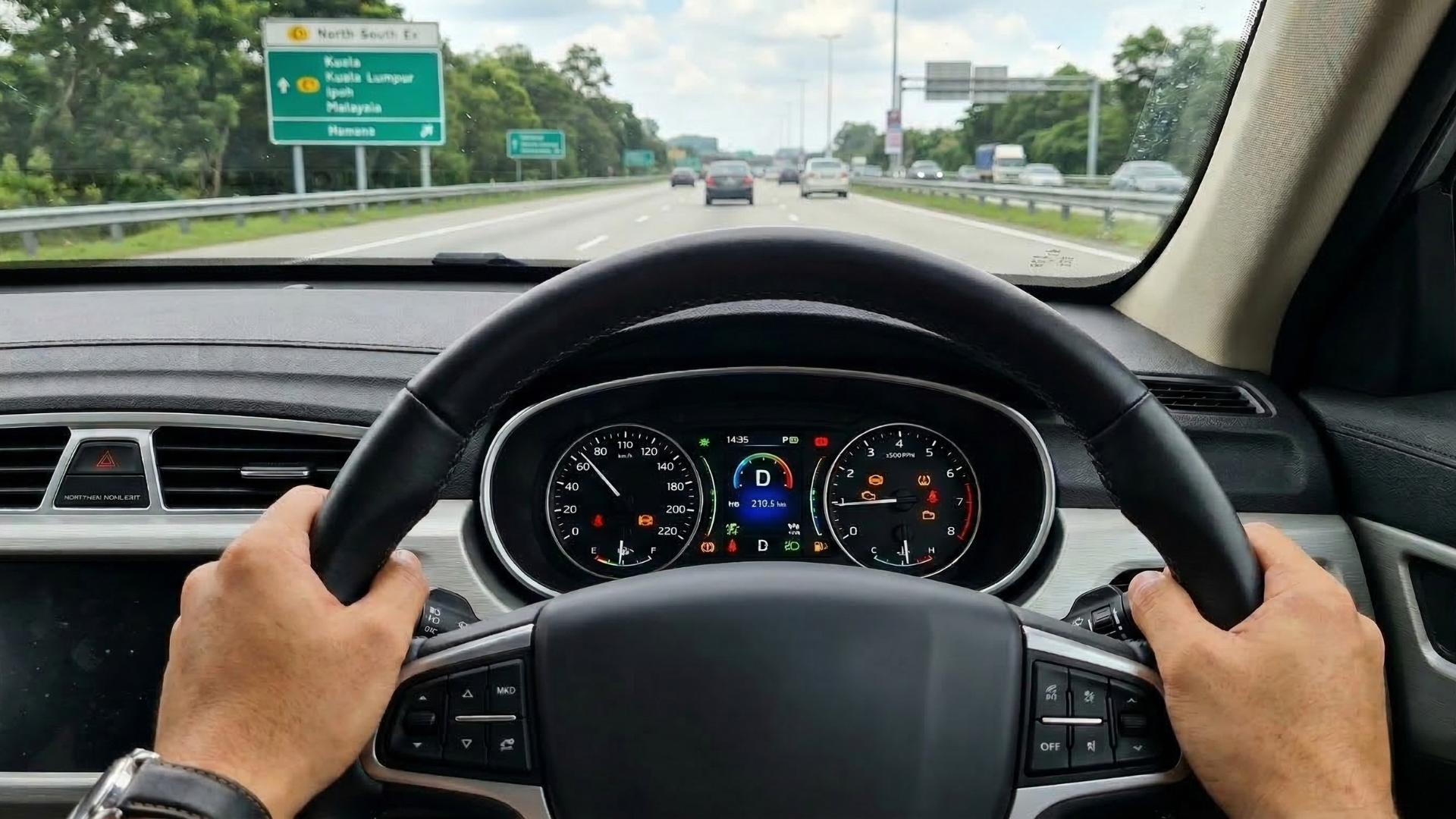
Understanding your car dashboard is one of the most important skills every driver should have. Whether you are a new driver or someone who has been on the road for years, knowing how to read key indicators like the kilometer meter and temperature gauge can help you prevent costly repairs and ensure your safety.
Your dashboard is essentially your car’s communication system. It provides real-time updates about your vehicle’s performance, condition, and potential issues. Ignoring these signals can lead to breakdowns or even serious damage.
Understanding the Kilometer (KM) Meter
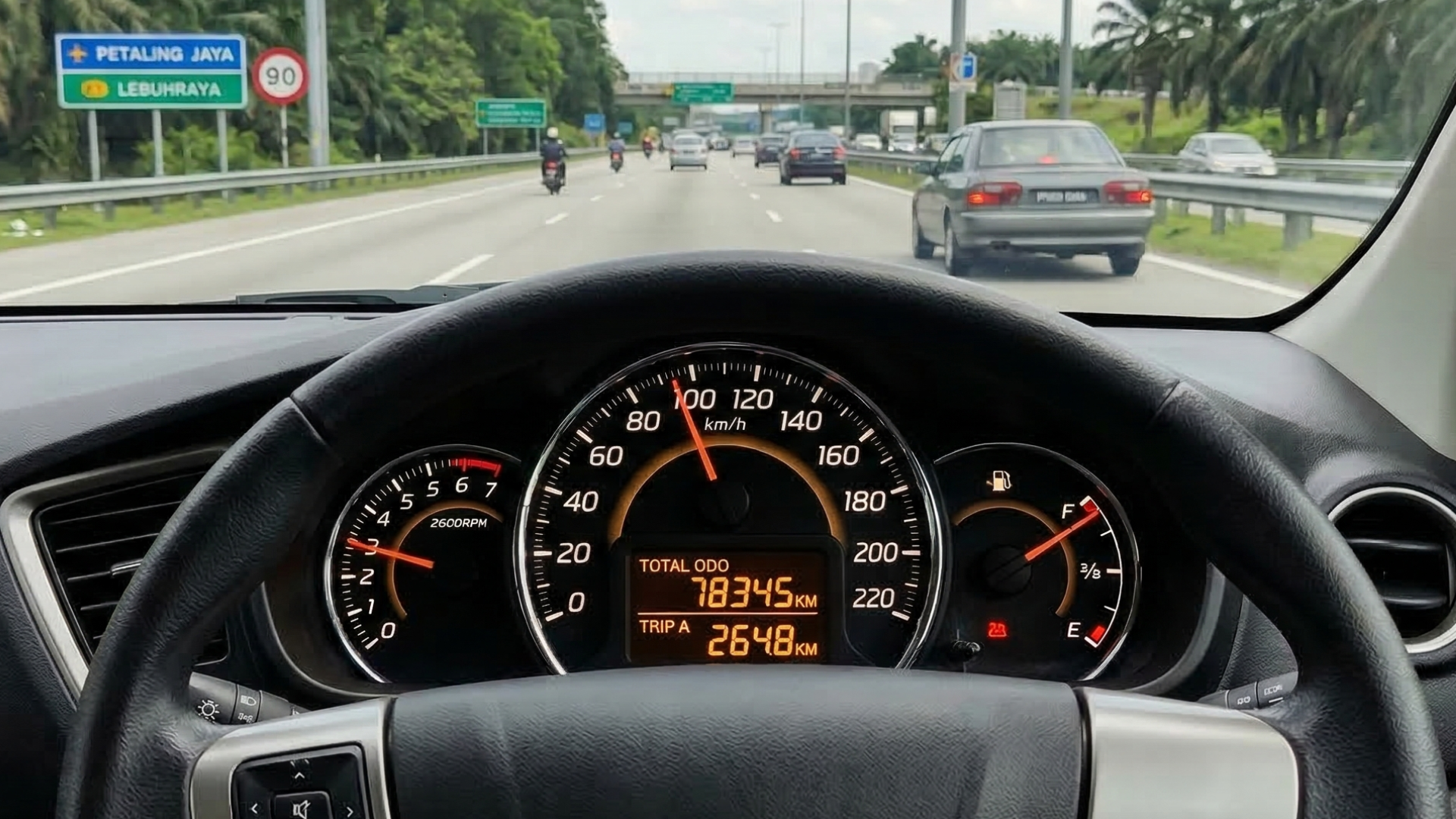
The kilometer meter, also known as the odometer, shows how far your car has traveled. This reading is usually displayed in kilometers and is a key indicator of your vehicle’s usage.
There are two types of kilometer readings you will typically see. The first is the total odometer, which shows the total distance your car has traveled since it was manufactured. This number is important when assessing the overall condition and value of your car, especially if you plan to sell it.
The second is the trip meter. This can be reset and is useful for tracking distances for specific journeys, fuel consumption, or maintenance schedules. For example, you can reset the trip meter after filling petrol to monitor how far your car travels per tank.
A higher kilometer reading generally means more wear and tear. However, proper maintenance matters more than mileage alone. A well-maintained car with high mileage can still perform better than a poorly maintained car with low mileage.
Reading the Temperature Gauge
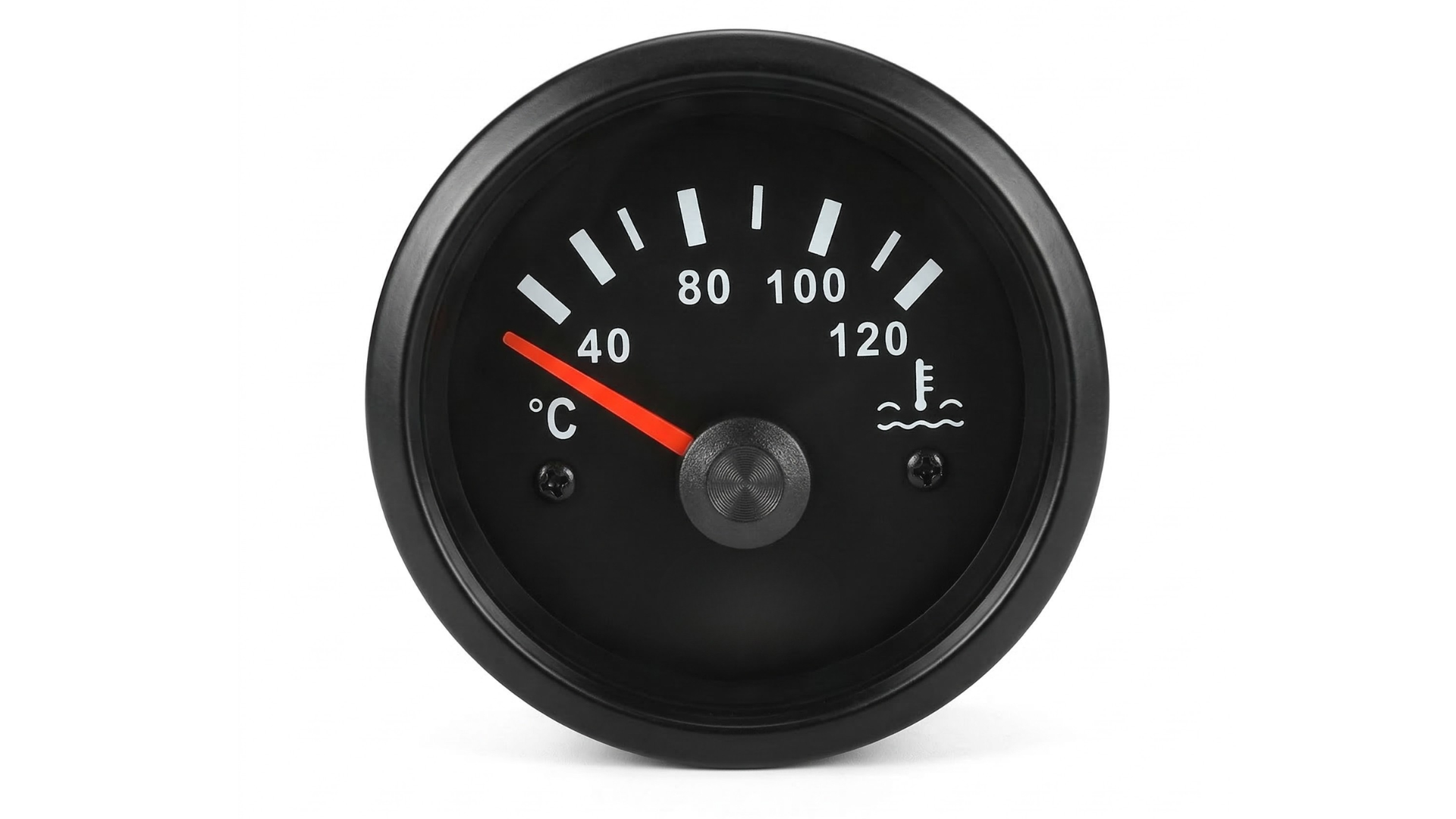
The temperature gauge shows the engine’s heat level. It is one of the most critical indicators on your dashboard because it helps prevent engine overheating.
Most cars display temperature using a simple scale marked with “C” for cold and “H” for hot. When you start your car, the needle usually sits near the cold side. As the engine warms up, it moves toward the middle.
The ideal position for the temperature gauge is around the middle. This means your engine is operating at its normal temperature.
If the needle moves too close to “H,” it indicates that your engine is overheating. This can happen due to low coolant levels, a faulty radiator, or a broken cooling fan. Driving with an overheating engine can cause severe damage, including engine failure.
On the other hand, if the gauge stays near “C” even after driving for some time, your engine may not be warming up properly. This could point to a thermostat issue, which can affect fuel efficiency and performance.
Why These Indicators Matter
Both the kilometer meter and temperature gauge play a major role in maintaining your car’s health. The kilometer reading helps you track service intervals such as oil changes, tire rotations, and timing belt replacements.
The temperature gauge protects your engine. An overheated engine can lead to expensive repairs that could have been avoided with early detection.
Paying attention to these indicators allows you to take action before minor issues become major problems. It also helps you drive more confidently, especially during long journeys.
Common Mistakes Drivers Make
Many drivers tend to ignore the dashboard unless a warning light appears. This habit can be risky because not all issues trigger warning lights immediately.
Another common mistake is misunderstanding the temperature gauge. Some drivers assume it is normal for the needle to move close to “H,” which is not true. The needle should stay around the middle most of the time.
Similarly, some people only look at the kilometer reading when buying or selling a car, but they fail to use it for regular maintenance tracking.
Tips for Better Dashboard Awareness
Make it a habit to glance at your dashboard regularly while driving. You do not need to stare at it constantly, but being aware of your car’s normal readings will help you quickly notice any unusual changes.
Always refer to your car’s manual for accurate information about your specific model. Different cars may display information differently, especially newer vehicles with digital dashboards.
If you notice anything unusual, such as a rising temperature or strange fluctuations, it is best to stop safely and inspect the issue or seek professional help.
FAQ
1. What is a normal engine temperature reading?
A normal engine temperature is usually when the gauge sits around the middle between “C” and “H.” This indicates the engine is running efficiently.
2. What should I do if my temperature gauge goes to “H”?
You should stop driving as soon as it is safe. Turn off the engine and allow it to cool down before checking coolant levels or calling for assistance.
3. How often should I check my kilometer reading?
You should monitor it regularly, especially to keep track of service intervals like oil changes, which are often based on distance traveled.
4. Is high mileage always bad?
Not necessarily. A well-maintained car with high mileage can still be reliable. Maintenance history is more important than mileage alone.
If you want to keep your car in top condition without the hassle, consider using Motorist Malaysia. From servicing reminders to car inspections and selling assistance, Motorist Malaysia makes car ownership simple, convenient, and stress-free.
Read More: Fuel up smart this Raya: save more on petrol with better driving and planning
I want to find the highest selling price for my car within 24 hours!
Download the Motorist App now. Designed by drivers for drivers, this all-in-one app lets you receive the latest traffic updates, gives you access to live traffic cameras, and helps you manage vehicle related matters.