Petrol vs. EV 2026: which is better during Middle East conflicts?
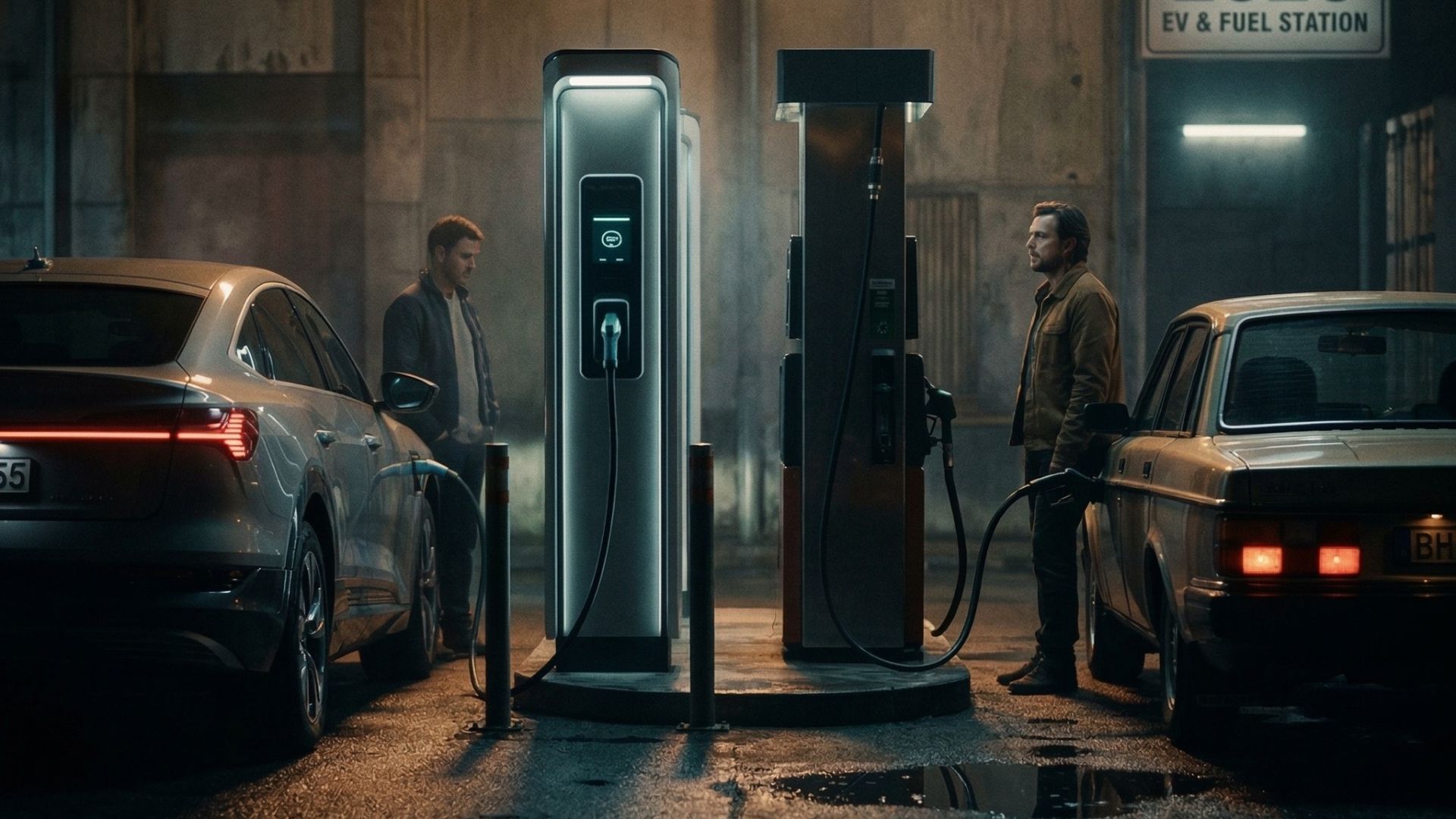
The automotive landscape in 2026 is being reshaped by the echoes of recent geopolitical instability in the Middle East. As the conflict involving major regional players continues to simmer, the debate between Internal Combustion Engine (ICE) vehicles and Electric Vehicles (EVs) has shifted from purely environmental concerns to urgent questions of economic survival and energy security. For the modern driver, choosing between petrol and electric is no longer just a lifestyle preference; it is a strategic decision made under the shadow of fluctuating oil markets.
The Petrol Predicament: Vulnerability at the Pump
For decades, petrol has been the king of convenience, but its reliance on global stability is now its greatest weakness. The 2026 conflict has demonstrated how quickly a localized crisis can translate into global financial pain. With critical chokepoints like the Strait of Hormuz facing disruptions, Brent crude oil prices have surged toward $120 a barrel, sending petrol prices at the pump to record highs.
For a petrol car owner, this means your monthly budget is essentially at the mercy of foreign policy decisions and maritime security. When supply chains are threatened, the cost of refined fuel rises almost instantly, leaving drivers with little room to pivot. While petrol vehicles still offer the advantage of a mature refueling infrastructure and lower upfront purchase costs, the "total cost of ownership" is becoming increasingly unpredictable. If you value a lower initial price tag and travel frequently in areas with sparse charging, petrol remains a practical, if volatile, choice.
The EV Edge: Insulation and Independence
In contrast, the case for Electric Vehicles has strengthened as a direct result of fossil fuel volatility. One of the most compelling arguments for an EV in the current climate is energy insulation. While electricity prices are not immune to global shocks—especially if a portion of that power is generated from natural gas—they tend to be more stable and often benefit from government price caps. In many regions, the cost of "fueling" an EV remains roughly one-third the cost of a petrol equivalent, even during energy spikes.
Furthermore, EVs offer a level of domestic energy independence that petrol simply cannot match. If your home is equipped with solar panels, you are essentially "growing" your own fuel, bypassing the geopolitical drama of the Middle East entirely. This decentralized energy model is becoming a primary driver for adoption in 2026, as consumers seek to de-risk their lives from external shocks. However, it is important to note that EVs still face higher initial costs and a supply chain that is vulnerable to its own set of geopolitical risks, specifically regarding battery minerals like lithium and cobalt.
Comparative Costs and Convenience
| Feature | Petrol Vehicles (ICE) | Electric Vehicles (EV) |
| Upfront Cost | Generally lower; more affordable entry models. | Higher, though prices are stabilizing. |
| Running Cost | High and volatile; tied to global oil prices. | Low; predictable, especially with home charging. |
| Maintenance | Higher; complex engines with many moving parts. | Lower; fewer components and no oil changes. |
| Reliability | Proven, but subject to fuel shortages. | High, but reliant on a growing grid. |
If you are a city dweller with access to home charging, an EV is almost certainly the superior choice in 2026. The savings on fuel alone can offset the higher monthly car payment within a few years, particularly as petrol hovers at historic highs. Conversely, if you live in a region with a fragile power grid or no public charging infrastructure, the reliability of a petrol engine might still outweigh the financial savings of an electric one.
The Verdict: A Shift Toward Security
As of March 2026, the scale is tipping toward Electric Vehicles for the average consumer. The Middle East conflict has served as a harsh reminder that fossil fuel dependence is a gamble. While the EV transition still faces hurdles—such as the "onshoring" of battery production and the need for faster charging networks—the ability to decouple your daily commute from the volatility of global oil markets is an advantage that is hard to ignore.
The "better" vehicle is now defined by its ability to provide consistent, affordable mobility in an inconsistent world. For those looking to future-proof their finances against the next geopolitical flare-up, the quiet hum of an electric motor is sounding more like a safe bet every day.
Whether you choose the traditional reliability of petrol or the future-proof independence of an EV, Motorist Malaysia simplifies your entire journey by offering a comprehensive "Vehicle Super App" that manages everything from real-time traffic alerts and road tax renewals to getting you the highest car valuation within 24 hours.
Read More: Sell your car smarter: The Malaysian owner’s playbook
I want to find the highest selling price for my car within 24 hours!
Download the Motorist App now. Designed by drivers for drivers, this all-in-one app lets you receive the latest traffic updates, gives you access to live traffic cameras, and helps you manage vehicle related matters.